What homeowners can and cannot DIY safely
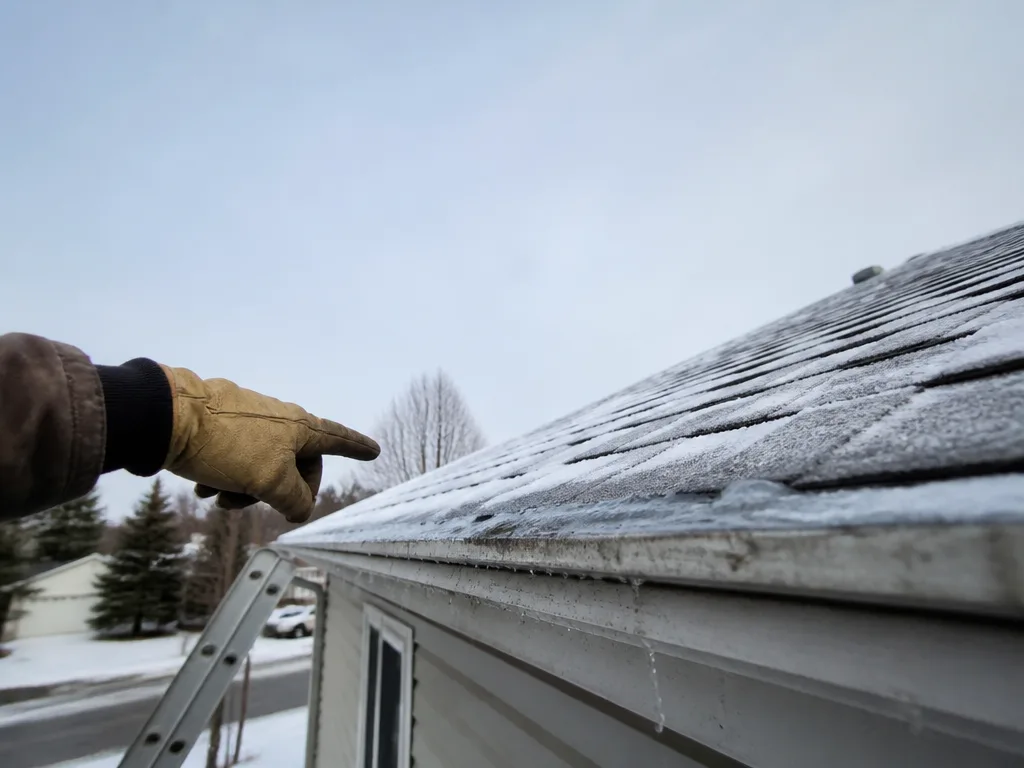
There are small, non-structural tasks you can tackle if you’re confident and equipped. Clearing debris from gutters or removing light ice around the edge with a plastic scoop can help temporarily. Avoid chipping away ice from the roof itself; that can damage shingles or lift edges. Never climb a ladder onto a slippery surface without proper fall protection. In North Dakota, weather can change quickly, so timing matters when you decide to work on the roof edge.
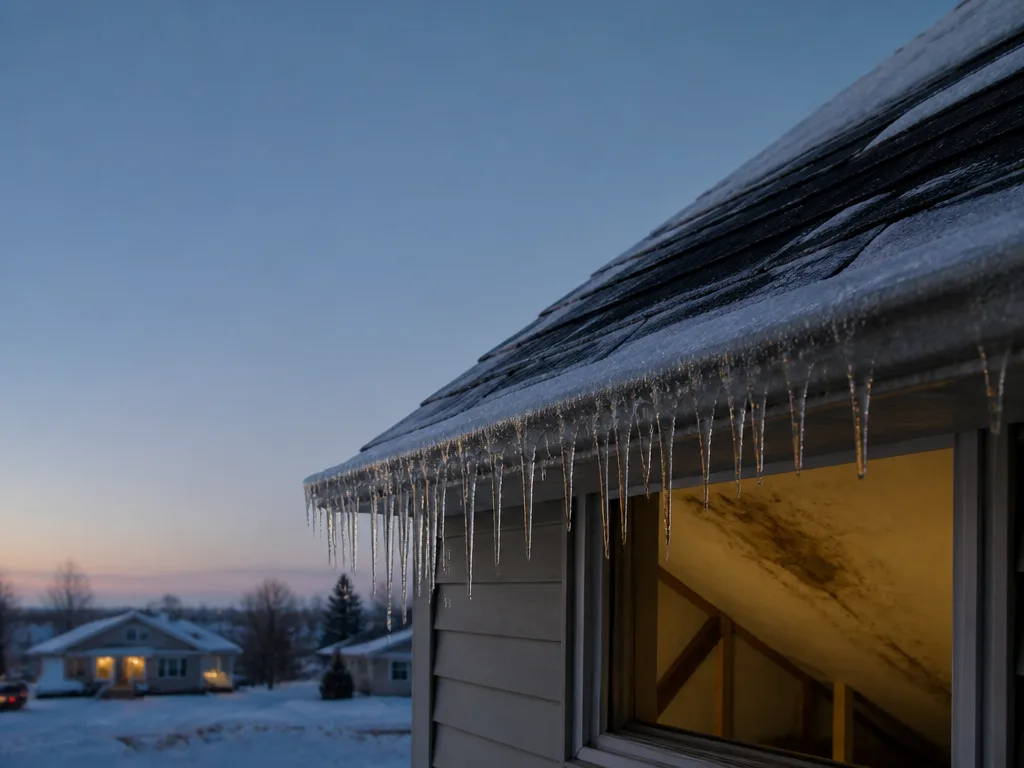
On small, visible issues at the eave line, you might address minor icicle buildup with careful, non-abrasive methods. But keep in mind: DIY fixes don’t fix the root cause, which is often attic heat and ventilation. If you’re seeing interior stains, wet spots, or repeated ice formation each winter, it’s time to involve roofers who handle ice dam work across North Dakota.
When to call a North Dakota roofer
Call a roofer if you notice persistent ice along the eaves, repeated interior leaks after storms, or if snow melt seems to pool and refreeze near the edge. A professional can evaluate insulation and ventilation in the attic, which are common drivers of ice dam problems in North Dakota homes. They’ll also inspect shingles, underlayment, and the roof edge for damage that a DIY touch-up won’t fix.
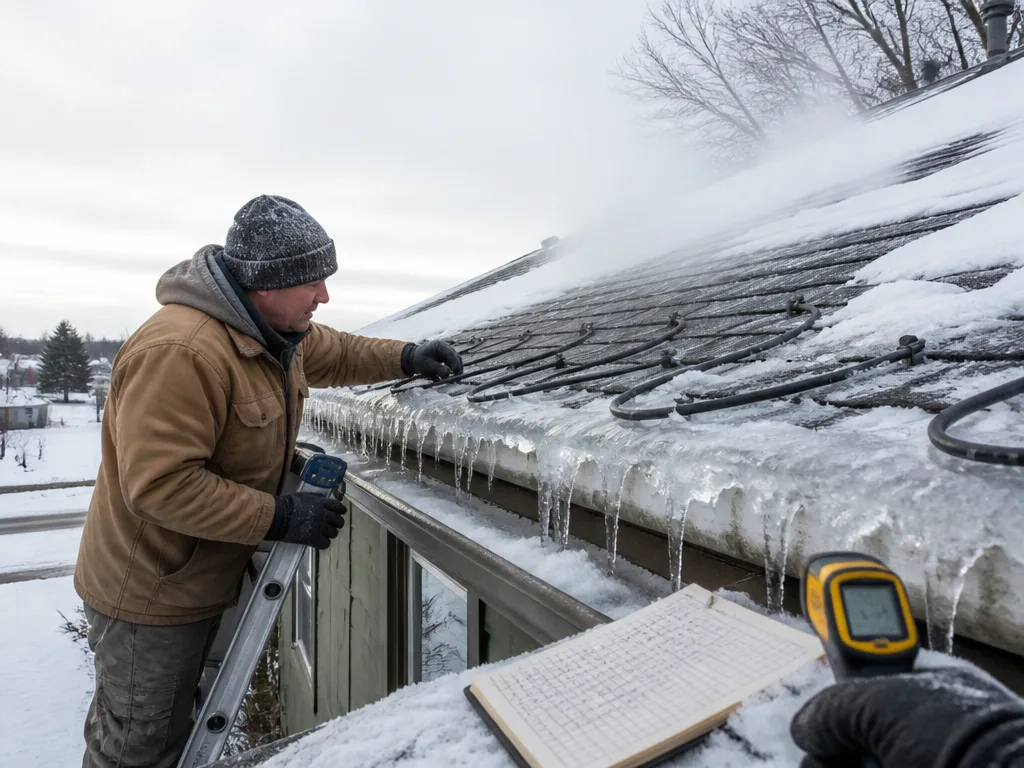
Expect a North Dakota crew to discuss full or partial attic repairs, sealing, or vent improvements as part of a lasting plan. The goal is to reduce heat loss, improve airflow, and prevent further ice dam formation across the state.
Practical steps your roofer will likely take
From the panhandle to the far east, a typical professional approach includes attic insulation checks, sealing air leaks, and ensuring proper ventilation around the roof. The crew may recommend adding or upgrading roof exhaust vents, ridge vents, or soffit ventilation. In North Dakota, these steps work best when tailored to your home’s orientation, roof pitch, and the local climate.
- Compare insulation levels and seal gaps in the attic to reduce heat escape.
- Evaluate ventilation routes to ensure dry, cold air can flow under the roof deck.
- Inspect shingles at the eave line for damage and replace any compromised pieces.
If a leak is already present, don’t delay. A quick professional review can stop minor issues from turning into bigger repairs across North Dakota homes.